
5 Health Habits I Used To Hate…That I Will Never Not Do Again
Five habits I once mocked - and now depend on in midlife. Turns out the things I resisted the most were the things I needed the most.
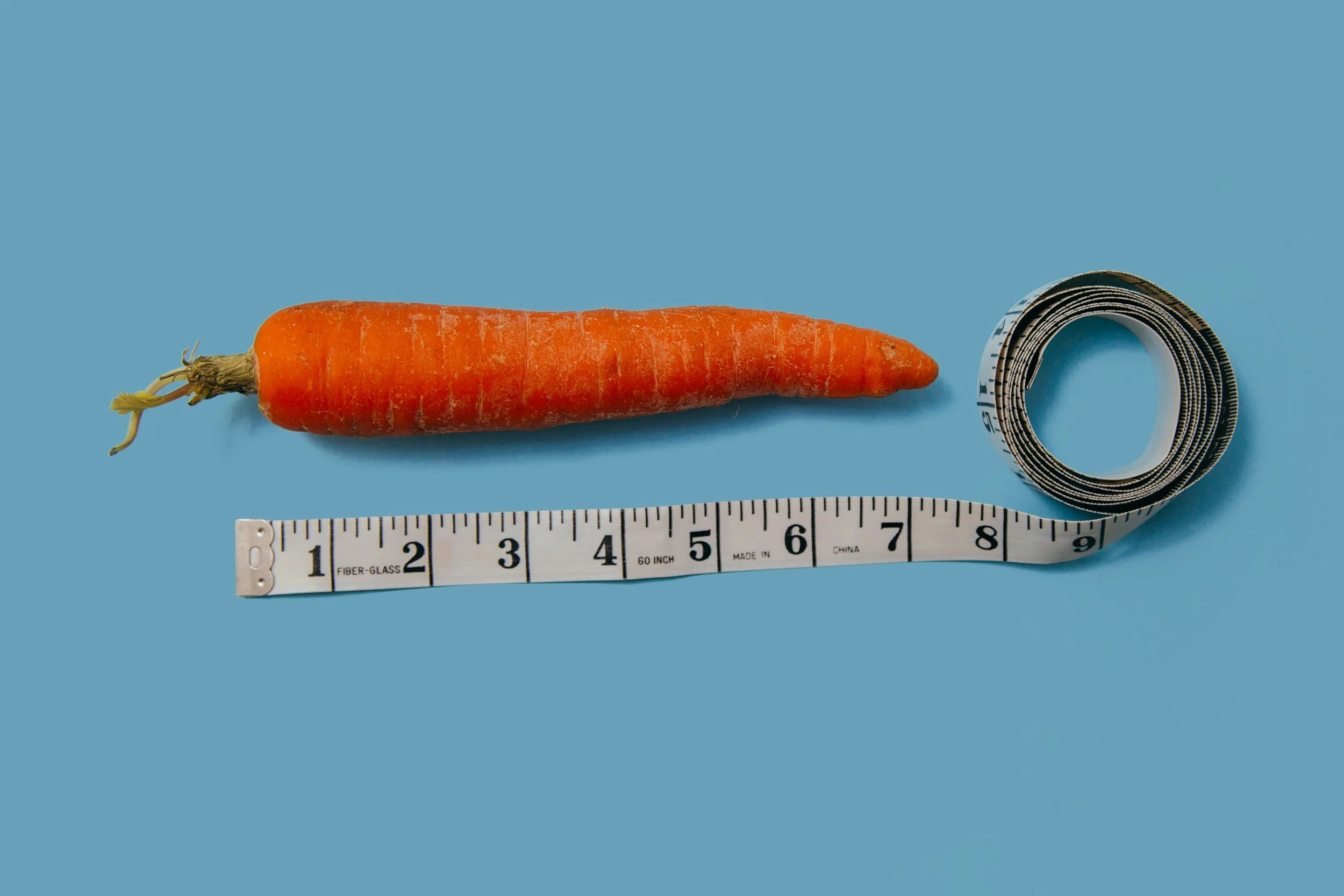
Photo by charlesdeluvio on Unsplash
We all have those health habits we used to roll our eyes at - the ones that looked like they belonged to influencers, wellness missionaries, or Birkenstock wearers who mainline herbal tea and talk about the power of gratitude. I dismissed all of them for years. Then midlife showed up with its mix of fatigue, pressure, broken sleep, and general “is this really my life?” energy… and suddenly the things I once refused to try became the same things I now rely on to keep the good ship McCarthy sailing on serenely. Here’s the what, the why and the how of all five.
1. Meditation
This was recommended to me early in my 30s when I was going through a tough time, and I latched on to it immediately with all the fervour of a drowning man.
Unfortunately I approached it with the same attitude of toxic dedication as I did with many other things. I was going to be the best at it, be more zenned out than anyone else, and I would ‘complete’ meditation. And so I began to do it too much, too often, as though I could wrestle inner peace into submission like a stroppy toddler into a car seat.
I didn’t realise that this would leave my nervous system stuck on ‘tense but coping’ and that it was inevitable it would become too much like hard work and that I’d drop it after a couple of months.
After repeating this boom-and-bust cycle for about five years I found my way to The London Meditation Centre where I learnt how to do the thing properly. I also learnt about the huge body of science behind it and the mechanisms by which the brain changes (in as little as a fortnight) once you know how to get out of your own way and allow it into your mind, your body, your soul…and your diary on a consistent, gentle, competition-free basis.
I do between 10 and 20 minutes twice a day now - although it’s recommended you start with as little as three minutes once a day – and I find myself craving it in much the same way as you crave a cuppa and a sit down after being on your feet all afternoon.
2. Mixing Electrolytes with Alcohol
I used to take the mick out of my older sister for doing this; she’d turn up to a restaurant or a bar and lay down a distinctly dodgy-looking little foil wrap next to her glass of water. Within would be a couple of dissolvable electrolyte tablets waiting for a pint of tap water to plop into.
A few years later I realised the wisdom of this. And it helped that I had no reached an age where caring a jot about what other people thought was but a distant memory.
The up-shot of this is that I no longer have to make a choice between enjoying a couple of glasses of wine with dinner but waking up at 3am with a dry mouth and existential dread, versus sticking to soda water and waking up feeling fine, but like I missed out a little bit.
For me the equation is simple: Booze + electrolytes & water = next day smugness and no regret. You can get a tube of 20 from any supermarket or pharmacy, and they come in a host of different flavours.

Not staying hydrated on nights out = next day regret [Photo by Vinicius "amnx" Amano on Unsplash]
3. Breathwork Before Bed
Surely breathwork is something for people who own crystals and know when Mars is in retrograde and so on?
And why would I need to practise breathing? I’d been doing it since I was born with a modicum of success.
I imagine if you’ve had breathwork suggested to you, you may have had a similar reaction as I did. Just before the pandemic, two things happened in quick succession:
I happened to read a book called Breath: The New Science Of A Lost Art by James Nestor, an American science journalist who’d gone deep on the subject and used himself and a friend as guinea pigs to discover just how hard we can make life for our bodily health when we don’t breathe properly – and how we can reverse many modern ailments by simply being a more intentional about how we go about exchanging CO2 for O2. It was an astonishing read - and actually something of a page turner for anyone who has an interest in how their own body works.
Not long after I went on a press trip where the (now famous) Dutch endurance athlete Wim Hof, known as the Ice Man, would be taking us journos through a day of cold water immersion and breathing techniques.
I stuck with the protocols once I got home a few days later and within a few months found I could calm my system or rev it up, sharpen my concentration or chill out, as I preferred.
Three to four minutes of slow, deliberate deep breathing before bed is enough to give my system the signal: ‘it’s sleep time now’, resulting in the onset of deeper slumber and a lot less time tossing and turning to get there.
4. Putting Myself First
This one took years to learn. I’d spent most of my life thinking looking after number one was a selfish thing to do, or somehow indulgent and morally weak. Meanwhile I was burning out, pushing through, overcommitting, and wondering why I was always one unexpected email away from losing the plot.
Midlife forces you to see the truth: if you never put yourself first, the system eventually breaks. Not in a dramatic way; more in a slow, creeping erosion of energy, patience, and stability.
Putting myself first doesn’t mean spa days or disappearing into the wilderness (although I do love a bit of both of those). It means giving myself permission to say ‘this is not perfect but it’s good enough’, to rest, to say no when I want to say no, instead of reluctantly saying yes, to protect sleep, to not reply instantly, to do less without guilt. It’s boundary-setting, not self-absorption.
The upshot is a more patient, more present, more joyful, spontaneous, useful and energetic Kerry. It turns out prioritising your own wellbeing has less to do with selfishness and everything to do with necessity. A bit like the old oxygen mask protcol on flights.

Photo by Adrian Mag on Unsplash
5. (Loosely) Tracking My Protein
Measuring your food. Can there be a quicker way to suck the joy out of one of life’s greatest pleasures?
But if this sounds like something your TikToking teenagers might do then there’s a reason for that – and it’s that the generation coming through are, by and large, much more health-aware than we ever were.
And the good news is that while, yes, you can go to town measuring every grain of rice before you cook it and working out how much magnesium is in that portion of kale, a simple habit is just: track your protein. It doesn’t have to be more complicated than that.
I don’t weigh anything. I don’t count every gram. I just make sure meals contain enough to keep me full and help my muscles recover. The difference it makes is quickly evident: fewer cravings, steadier energy, better mood, better training sessions, fewer mindless snacks. It’s not about aesthetics. It’s about feeling like a functioning human who isn’t constantly craving toast and biscuits.
And here’s why protein is the one macronutrient worth paying extra attention to: it’s the foundation of your body. Your muscles, bones, hormones, enzymes, immune system, connective tissue, skin, hair — everything meaningful in your body uses protein as its raw material. When you increase strength training or Zone 2 work, your body immediately starts breaking down and rebuilding tissue. If you’re under-consuming protein, that rebuilding process becomes slower, harder, and far more fatiguing than it needs to be.
Beyond 40, the recommended daily intake for anyone who exercises - strength training, running, gym classes, swimming, anything - is very roughly 1–1.5g of protein per kg of bodyweight. So for an 80kg person, that’s 80–120g a day. If you’re not currently exercising it should be 0.8-1g per kg bodyweight.
Most people aren’t intentionally avoiding protein – but the western diet is very carb heavy (carbs are cheaper to produce and to manipulate for mass consumption), and most just assume they’re getting enough when they’re not even close.
To give you a sense of how simple this can be to eyeball:
• A typical chicken breast: ~30–35g protein
• A tin of tuna: ~25–30g
• 200g Greek yoghurt: ~18–20g
• Three eggs: ~18–20g
• A scoop of whey protein: ~20–25g
• Cottage cheese (200g): ~24g
• Lentils (cooked cup): ~18g
Once you know those anchor numbers, you can estimate all day long without needing a calculator.
I don’t weigh anything. I don’t count every gram. I just make sure meals contain enough to keep me full and help my muscles repair properly. The result is fewer cravings, steadier energy, better mood, better training sessions, fewer mindless pre-bed snacks.
It’s the simplest nutritional shift I’ve ever made, and probably the most effective.
