
Build Unstoppable Healthy Habits: Why Small Steps Beat Big Changes
Huge health overhauls fail because they’re too big for real life. Tiny habits are the only ones that survive the chaos of a busy life - and that’s why they actually work.

Photo by Vitaly Gariev on Unsplash
You’re not struggling to make changes because you’re lazy.
You’re struggling because the changes you try to make are too big for the life you’re actually living.
Bootcamps, detoxes, Dry January, 30-day plans - they all feel “this is awesome!” on day one and “whose sodding idea was this?” by day fifteen. Real life wins again.
The answer isn’t more willpower. It’s smaller steps you can keep doing on your worst days.
Why Big Changes Don’t Stick
Big overhauls feel productive but, attempted too quickly, they always come with a cost. For example: A phase of four HIIT classes a week might feel mighty empowering…until your elevated stress hormone levels and joint inflammation drag you off to hang out with their mates Poor Sleep, Overeating, Morning Anxiety and Crappy Mood.
This is because your body and your schedule don’t tolerate ‘all or nothing’ the way they did at 25.
Big swings collapse the moment something (work, kids, sleep, hormones, mood) pushes you off the tightrope of perfect you’ve been walking - and the benefit you’ve worked so intensely to gain is lost.
Small habits, however, survive chaos - and that’s exactly why they work.
The Psychology Behind Small
Behavioural research is boringly consistent, and summed up like this: Small actions are easier to repeat. And repetition is what rewires your brain.
A 2009 study from University College London (Lally et al) found that habits formed fastest when the action was tiny and repeated in the same context — not when people made huge changes.
In the study, 96 volunteers chose a new behaviour they wanted to make routine (e.g. eating a piece of fruit with lunch, drinking a bottle of water, doing a 15-minute run). They logged on to a portal and self-reported for 84 days (12 weeks) on whether they’d done it and how it felt. The main outcome was ’automaticity’ – how ‘done without thinking’ the behaviour felt when done enough at the same time repeatedly, and paired with the same anchor activity. The average time taken for the new behaviour to feel automatic was 66 days.
Two interesting additions were that: 1) the more complex the behaviour, the longer it took to ‘stick’, and 2) missing a day sometimes didn’t affect the progress. It was the consistency overall that counted, not perfection.
A few real-world examples of how tiny habits can stack up
A 10-minute walk each weekday = ~40 hours of extra movement a year.
One can of Coke swapped for water = ~139 calories saved per can (~9,000 calories/year if done Monday–Friday).
Going to bed 20–30 minutes earlier Monday–Friday = 80–120 extra hours of sleep a year.
These aren’t dramatic moves, but they compound — quietly and reliably.
As James Clear (author of Atomic Habits) says:
“Habits are the compound interest of self-improvement.”
I love this analogy. After all, you wouldn’t invest a huge amount in a high-risk fund, blow it all, then start again every few months, would you? (I SAID WOULD YOU? 🤨)
That’s right, well done – you wouldn’t. You’d invest small, manageable amounts again and again, settle in for the long term and trust the process.
What I Learned the Hard Way
I spent years around elite athletes and super-high achievers. Naturally, I tried to train like them: high intensity, high volume, full commitment. Putting the roof on the house before building the foundations.
On the outside, it worked., but on the inside, it fried my circuistry.
Burnout cycles. Nervous-system crashes. Long rebuild phases. Eventually I had to face it:
You don’t need to train like your celebrity crush is watching you the whole time.
You need a personalised system that holds up under real-world pressure: simple actions that will still happen when you’re tired, stressed, flat, or overloaded.
How to Start (Without Overthinking It)
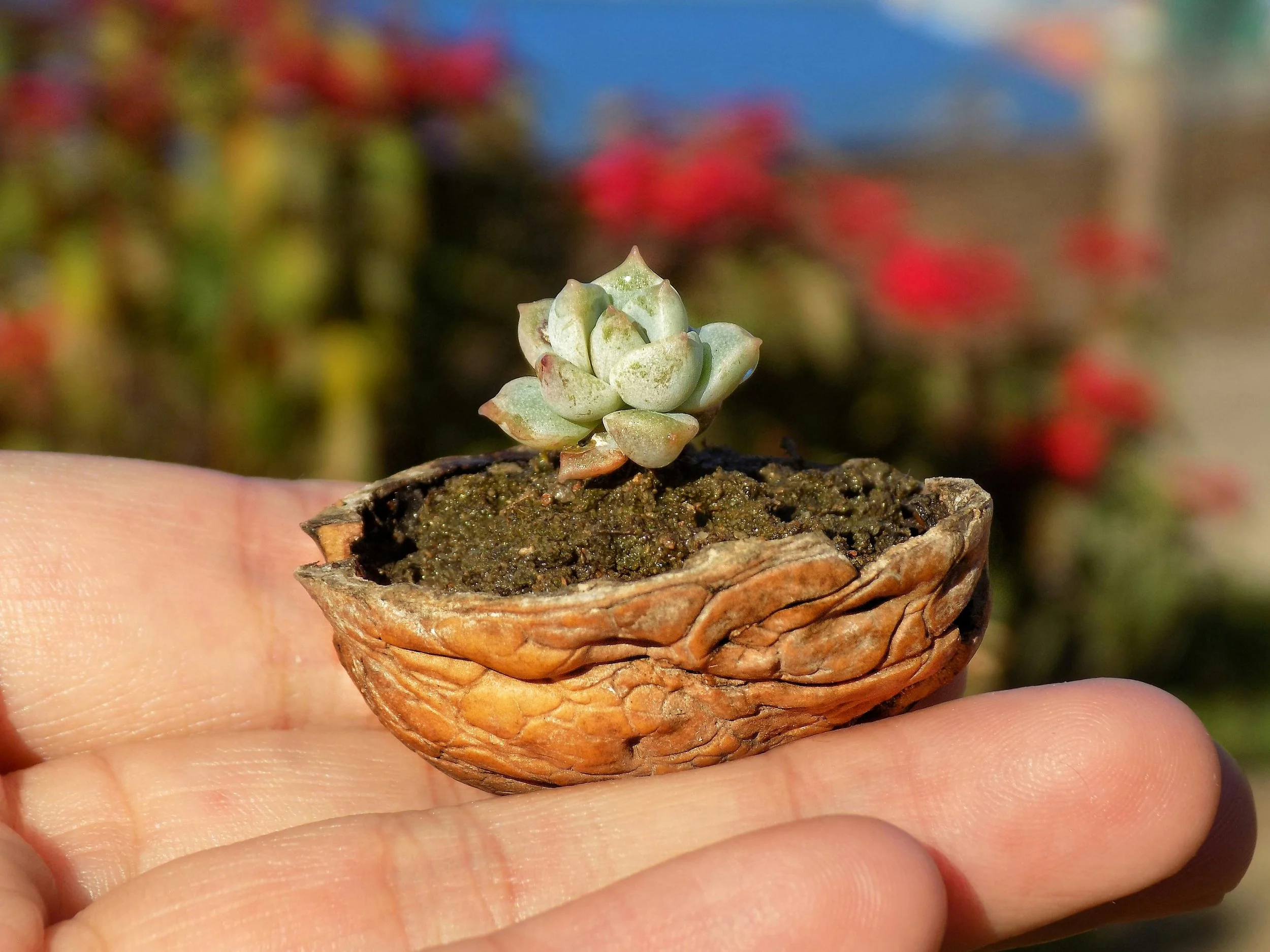
Here’s the good news: you don’t need a full routine of shiny new protocols. You need one habit that’s too small to fail.
1. Choose one tiny action
And make it small enough you’d do it even when exhausted. A few examples:
Drink 500ml water before your first coffee of the day
(reduces dehydration, improves energy, stabilises morning appetite)
Walk for 10 minutes after lunch
(improves digestion, lowers blood-sugar spikes, boosts afternoon focus)
Stretch your hips for 2 minutes before bed
(reduces stiffness, eases lower-back tension, signals wind-down to your nervous system)
Put your phone in another room at night
(reduces dopamine stimulation, improves sleep onset and depth)
2. Anchor it
This means tying the habit to something you already do, so they now come as a pair:
Before brushing your teeth → drink a glass of water.
While waiting for the kettle to boil → Close your eyes, relax your stomach and breath slowly in and out.
When you finish wfh for the day → immediately get up, grab coat and walk outside for 10 minutes.
While waiting for the dog to do a poo → do 10 bodyweight squats.
Why does this work? A major meta-analysis (Gollwitzer & Sheeran, 2006) found that using ’implementation intentions’ (tying a behaviour to a cue) makes you 2–3 times more likely to stick with the habit, because the brain piggybacks on an established neural loop. The anchoring removes the task of having to remember - so the action becomes automatic. It’s a bit like tobogganing down a trail your siblings have already swooshed down loads, rather than having to plough a new furrow in the snow each time.
3. Let the ripple effect happen
One small action creates a chain reaction. Let’s stick with the drinking water example. That tiny habit of 500ml of water as soon as you get up leads to better adherence because it’s small enough. This leads to better hydration earlier in the day. In turn this carries onwards into: more energy → better choices → better routines → more training consistency → fewer plateaus → increased self-confidence → meaningful results (fat loss/better sleep/stronger back/whatever) → belief in your ability to change.
All achieved without force and tooth-grinding grit. This is how self-efficacy grows — the confidence that you can do the thing you said you would do.
That alone is life-changing.
